Haloview vs AUTO-VOX RV Camera Systems Compared: Which Is Better? (October 2026)
Choose Haloview for a 4-camera system with full-color dim-light viewing, or AUTO-VOX for rear and side coverage. The dual-lens AUTO-VOX adds a lower bumper view for close parking.
On this page (7 sections)
- Haloview vs AUTO-VOX: which RV system fits your needs?
- What views do the cameras give you?
- How do the monitors and screens compare?
- Which system offers the recording features you need?
- How do night views and signal range compare?
- Which camera system is easier to install?
- Which Haloview or AUTO-VOX system should you choose?
Choose Haloview for up to 4 wireless camera inputs and full-color dim-light viewing, or AUTO-VOX for rear and side cameras. The AUTO-VOX dual-lens model adds a second rear view aimed at the lower bumper, which can help when lining up at a campsite.
All 3 systems use wireless cameras and a monitor, but they suit different viewing needs. Haloview emphasizes camera expansion and recording; AUTO-VOX focuses on rear and side coverage.
 Best for adding up to 4 cameras
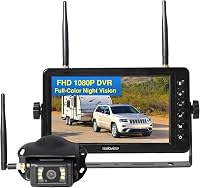
Haloview BT7 Wireless RV Backup Camera System
 Best for rear and side views
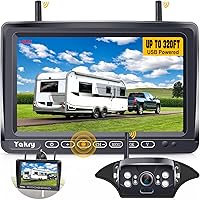
AUTO-VOX Wireless RV Camera System with Rear and Side Cameras
Haloview vs AUTO-VOX: which RV system fits your needs?
Choose the Haloview BT7 for camera flexibility, the AUTO-VOX rear and side system for broad views, or the AUTO-VOX dual-lens system for close rear parking. Your rig length, blind spots and monitor preferences should guide the choice.
Haloview supports up to 4 wireless camera inputs and a 120-degree viewing angle. It records in 1080P and offers full-color dim-light night vision.
The first AUTO-VOX system includes rear and side cameras, with a 7.2-inch monitor that can show up to 3 views when paired with compatible side cameras. The dual-lens option adds rear road and lower bumper views, plus left and right side cameras.
If you're comparing the smaller Haloview model with another version, see our Haloview BT7 vs BT7 Touch comparison.
What views do the cameras give you?
AUTO-VOX has the clearest fit if you want rear and side cameras included; the dual-lens model also provides a lower bumper view. The Haloview BT7 can accept more cameras, but the available details don't say that side cameras come with it.
The standard AUTO-VOX system combines rear and side views on one 7.2-inch monitor. Its 3-way split screen can show up to 3 camera views at once when paired with compatible side cameras.
That arrangement can help you check beside a long RV while driving, then switch to a single view when backing into a space. Think about whether you need extra side coverage during travel or mostly need help with reversing.
When is a dual-lens rear view useful?
The dual-lens AUTO-VOX can switch between the road behind your rig and a closer lower bumper view. Use the road view for towing and traffic, then choose the lower view when positioning near a hitch, campsite post or garage wall.
The two angles address different distances. A rear road view can show what follows the RV, while a lower view can help judge close obstacles during slow maneuvers.
This system also includes left and right side cameras. If the challenge is aligning a travel trailer at a campsite, our guide to choosing a backup camera for a fifth wheel covers the placement and viewing questions to consider.
Is the Haloview easier to expand?
The Haloview BT7 is the clearest choice when you want room for more camera inputs. It supports up to 4 wireless cameras, which gives you options for a rear view and additional coverage points.
The system details don't say which extra cameras are included, so plan around the camera count you need and confirm compatibility before ordering. A higher input limit alone doesn't mean you'll have side views ready on installation day.
For an overview of the camera features that matter across different rigs, browse our RV and camper camera guide.
How do the monitors and screens compare?
The AUTO-VOX monitors are 7.2 inches, slightly larger than the Haloview BT7's 7-inch screen. A small size difference may matter less than whether the display can show the views you need together.
The AUTO-VOX rear and side system supports a 3-way split screen with compatible side cameras. The dual-lens system is described with a triple split view, while the Haloview supports multiple camera inputs and 4-channel composite recording.
The details don't specify a split-screen layout for the Haloview BT7. If seeing several camera feeds at once is a priority, compare the exact screen modes and camera compatibility before deciding.
A larger screen can take more space on the dash. Measure the spot where you'd mount it and check that the display won't block controls or your forward view.
Which system offers the recording features you need?
Each system supports recording, but the storage details differ. The Haloview has a built-in recorder and playback, while the AUTO-VOX systems rely on a compatible SD or microSD card.
The BT7 records at 1080P and supports 4-channel composite or single-channel recording in AVI format. That gives you an option to record more than one camera channel, though storage capacity and card requirements aren't specified here.
The rear and side AUTO-VOX supports DVR recording with a compatible SD card, which is not included. The dual-lens system supports loop recording with a microSD card sold separately.
Consider whether recording is a central reason for buying. If it is, check card compatibility and storage limits for the exact system before setting it up.
How do night views and signal range compare?
Haloview specifies full-color dim-light night vision; AUTO-VOX specifies infrared night vision. Both approaches can help you see behind the rig after dark, but they produce different kinds of images.
Haloview says its image sensors can show color in dim light, and the monitor can remotely activate or deactivate fill lights when ambient light is extremely low. The AUTO-VOX rear and side system describes a 1080P sensor with built-in IR LEDs, while the dual-lens system also specifies infrared night vision.
Signal range figures are stated under different conditions, so don't treat them as a direct performance comparison. Haloview gives a line-of-sight range up to 984 feet; the AUTO-VOX systems describe transmission up to 500 feet, with one specifying testing in open areas.
Long vehicles can make wireless camera placement and signal conditions more important. Haloview says its system supports installation on vehicles up to 65 feet, while the dual-lens AUTO-VOX describes strong coverage for rigs over 60 feet.
Which camera system is easier to install?
AUTO-VOX describes a quick setup path, especially for a pre-wired RV. The rear and side system can use an included adapter bracket and pigtail harness on a pre-wired rig, or connect to a 12V power source if it isn't pre-wired.
The dual-lens AUTO-VOX also includes a USB boost cable and car charger for monitor power. Haloview accepts 10–32V input, so it supports a wider voltage range according to its product details.
Your RV's existing wiring matters more than a general setup claim. Check what connectors and power sources your rig has before buying, then follow the system instructions for mounting and wiring.
Our guide to adding a backup camera to a travel trailer explains the main planning steps. For an RV-specific wiring walkthrough, see how to hook up a backup camera on an RV.
Which Haloview or AUTO-VOX system should you choose?
Pick the Haloview BT7 for expandable camera inputs and full-color dim-light viewing; choose AUTO-VOX for included side cameras or a close lower rear view. Match the system to the views you need most while driving and parking.
The Haloview BT7 is the most flexible fit for a rig where you may add cameras, with up to 4 inputs, a built-in recorder and 120-degree viewing angle. Its 7-inch monitor is a little smaller than the AUTO-VOX displays.
The AUTO-VOX rear and side system suits drivers who want those views as part of the setup. Choose the dual-lens version when a lower bumper angle could help with tight campsite positioning, along with side-camera coverage.
If your main decision is whether the system fits your RV and use, start with our best backup cameras for campers and camper trailers guide. Compare mounting, power and camera views against your rig before you buy.
Frequently asked questions
Is Haloview or AUTO-VOX better for an RV?
Haloview is a better fit if you want support for up to 4 wireless cameras, a built-in recorder and full-color dim-light viewing. AUTO-VOX suits drivers who want rear and side cameras included, while its dual-lens system also switches to a lower bumper view for close parking.
Which system includes side cameras?
Both AUTO-VOX systems described here include side cameras. One pairs a rear camera with side cameras and supports a 3-way split screen; the dual-lens model includes left and right side cameras alongside a rear camera with road and lower bumper views.
Can the Haloview BT7 show multiple camera views?
The BT7 supports up to 4 wireless camera inputs and supports 4-channel composite and single-channel recording. The system data doesn't specify a split-screen layout, so check how you want to view multiple cameras before choosing it.
Do these RV camera systems record video?
All 3 systems support recording. The Haloview BT7 has a built-in recorder and video playback; the AUTO-VOX rear and side system needs a compatible SD card for DVR recording, and the dual-lens AUTO-VOX supports loop recording with a microSD card sold separately.